The Rise of Electric Vehicles: A Revolution in Car Commerce
This article explores how electric vehicles (EVs) are transforming the automotive industry, from sales to marketing strategies, supply chain changes, and new consumer expectations.
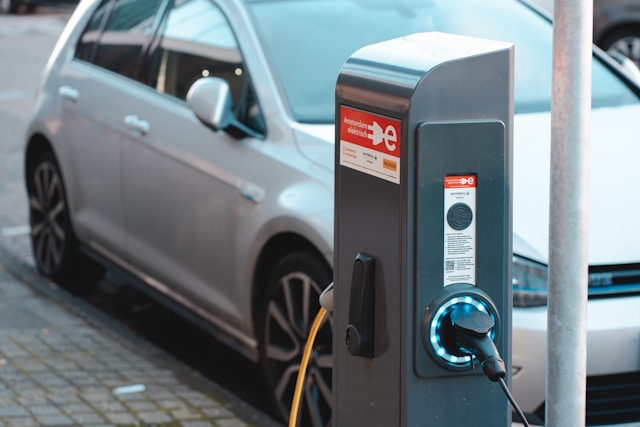
The automotive industry is undergoing a transformation, and at the forefront of this change are electric vehicles (EVs). This is not merely a passing trend but a revolution redefining the paradigms of global automobile commerce. From production to consumption, supply chains to marketing strategies, EVs are changing the game in multiple ways.
The Growing Adoption of Electric Vehicles
In recent years, the adoption of electric vehicles has seen exponential growth. Several factors explain this rise. Environmental concerns, bolstered by favorable government policies and tax incentives, are pushing more consumers towards EVs. Automakers are investing heavily in research and development to improve battery range, reduce costs, and increase the availability of charging infrastructure.
Impacts on Production and Supply Chains
The shift to EVs leads to significant changes in automotive production. Complex internal combustion engines, with numerous moving parts, are giving way to simpler, low-maintenance electric motors. This alters supply chains, reducing reliance on traditional parts while increasing demand for batteries and advanced electronic components.
Additionally, battery production requires specific materials like lithium, cobalt, and nickel, leading to a reconfiguration of global logistics chains. Automakers must now secure these resources, often concentrated in geopolitically sensitive regions, while developing recycling technologies to address the environmental concerns of material extraction.
Transformation of Sales and Marketing Strategies
With the rise of EVs, automotive manufacturers and dealers are also evolving their sales and marketing strategies. Selling EVs involves educating consumers on the benefits of electric, such as fuel savings, reduced maintenance, and environmental benefits. Marketing campaigns are increasingly focused on sustainability and technological innovation, attracting a new generation of environmentally conscious consumers.
Auto dealers are adapting their practices. Showrooms highlight charging stations and offer test drives to demonstrate the quiet performance and instant power of EVs. Digital tools, such as online configurators and virtual tours, play a crucial role in attracting and informing potential customers.
New Market Dynamics
The rise of EVs is creating new dynamics in the automotive market. Traditional players, like Tesla, which pioneered in this field, face increased competition from established automakers launching their own lines of electric vehicles. Innovative startups, often backed by substantial investments, also push innovation and increase competitive pressure.
This competition stimulates not only innovation but also price reduction, making EVs more accessible to the general public. Consumers benefit from a broader range of choices, from small electric city cars to high-end SUVs, democratizing access to this technology.
Charging Infrastructure: A Crucial Issue
One of the major challenges for the mass adoption of EVs remains the charging infrastructure. The proliferation of charging stations, both public and private, is essential to reassure consumers about the practicability of electric vehicles for daily commutes and long journeys. Governments and private companies are heavily investing to develop these infrastructures, often integrating smart technologies to optimize energy use and management.
Conclusion
The rise of electric vehicles marks a true revolution in car commerce. By redefining production processes, transforming sales and marketing strategies, and altering market dynamics, EVs are not just an alternative to traditional vehicles but the future of the automotive industry. As infrastructures continue to develop and technologies improve, it's clear that electric vehicles are here to stay, promising a cleaner, more efficient, and more sustainable future for all.